
A successful construction project does not start when construction begins. It starts much earlier, during preconstruction.
At South Coast Improvement Company, we see preconstruction as one of the most important phases of the entire project. This is where we define the project scope, review feasibility, identify risks, build the project budget, develop the construction schedule, evaluate materials, and create a clear plan before work begins on the construction site.
View Our Work
Explore some of South Coast Improvement Company’s latest construction and renovation projects.

Brookdale Battery Park City – Brookdale Senior Living
Carefully executed within an occupied senior living environment South Coast Improvement Company completed selective interior renovations at Brookdale…
View Project
Brookdale Cushing Park – Brookdale Senior Living
Critical 2-part phasing plan stayed within budget, on schdeule, & with no disruption to residents. South Coast Improvement…
View Project
Village Clubhouse at Ann’s Choice
Occupied renovations were completed within an active Independent Living community with minimal disruption to residents and daily operations.…
View ProjectFor senior living communities, healthcare facilities, schools, hospitality properties, affordable housing developments, office space renovations, retail projects, and historic buildings, preconstruction is especially critical. These projects often involve occupied spaces, strict safety requirements, building codes, construction permits, and the need to minimize disruption.
When the preconstruction process is handled well, the construction phase runs more smoothly. When it is rushed or skipped, the project team may face costly delays, cost overruns, unclear expectations, and avoidable surprises.
That is why we treat preconstruction as a strategic phase, not a formality.
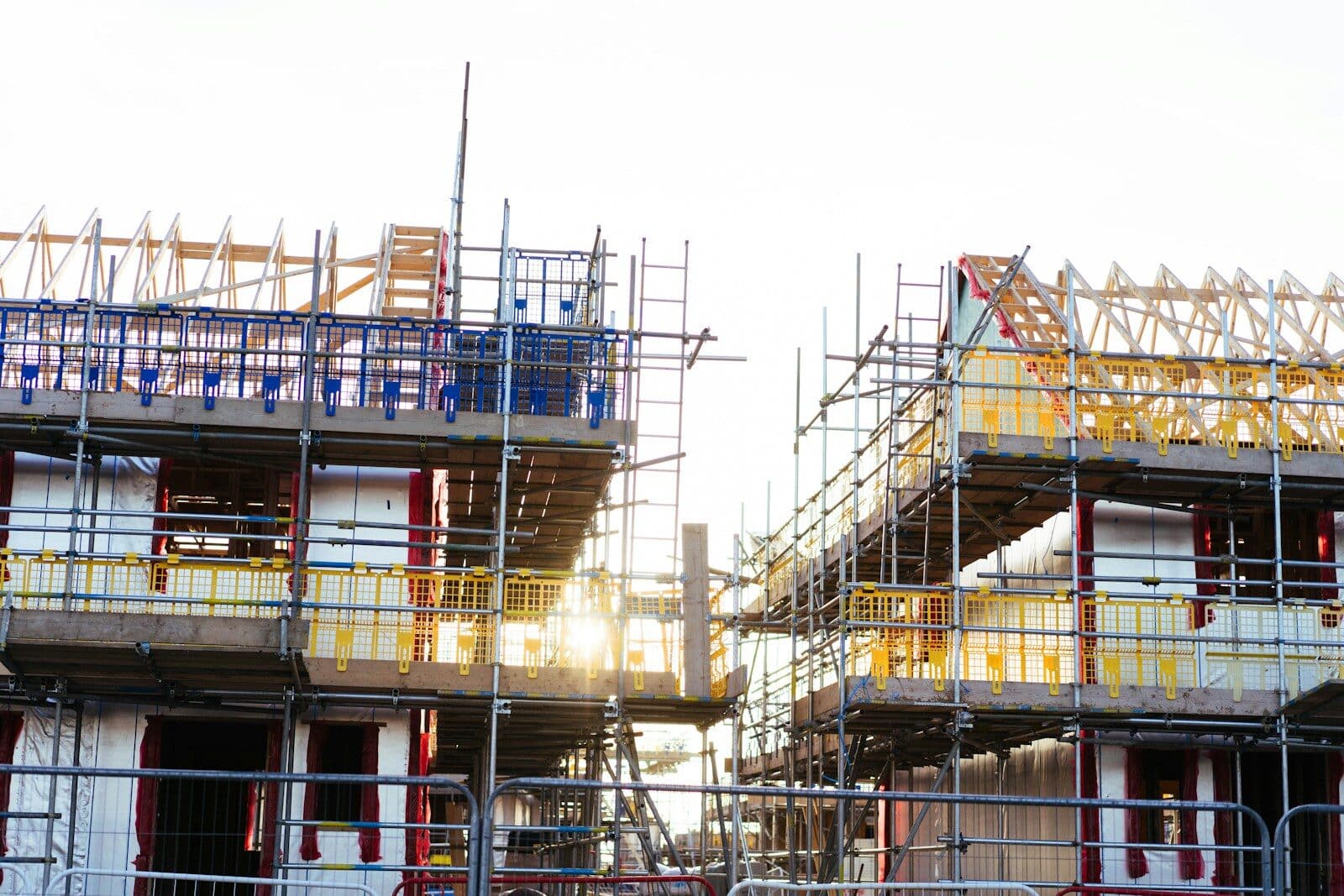
Photo by Phil Hearing on Unsplash
What Is Preconstruction?
Preconstruction is the planning phase that happens before actual construction begins. During this stage, the building owner, design team, general contractor, construction managers, project managers, consultants, and key stakeholders work together to define the project plan.
The goal is to make sure the project aligns with the owner’s goals, budget, timeline, code requirements, and operational needs before construction starts.
Preconstruction services may include:
- Project scope review
- Cost estimating
- Construction budget development
- Constructability reviews
- Project schedule planning
- Permitting process support
- Bid evaluation
- Procurement planning
- Safety plan development
- Site logistics planning
- Project communication planning
- Risk identification
- Resource allocation
- Building materials review
- Existing structures assessment
- Construction documents review
At SCIC, preconstruction gives us the opportunity to ask the right questions early. What is the project trying to accomplish? What constraints already exist? What could affect cost, schedule, safety, or operations? What can we do now to prevent problems later?
That early clarity supports the project’s success.
Why Preconstruction Matters for Every Construction Project
Every construction project has moving parts. The larger or more complex the project, the more important preconstruction becomes.
A construction project may involve architects, engineers, environmental consultants, subcontractors, construction managers, inspectors, building owners, facility operators, property managers, and local officials. Without a clear preconstruction plan, it is easy for teams to work from different assumptions.
Strong preconstruction helps everyone get on the same page.
It helps define:
- The project description
- Project objectives
- Project requirements
- The project scope
- The project budget
- The project timeline
- The construction plan
- The communication plan
- The safety plan
- The critical path
- Project materials
- Construction costs
- Potential risks
- Cost implications of design decisions
This matters because decisions made early often shape the entire project lifecycle. A design choice made during the design development phase may affect labor, materials, building codes, permitting, procurement, and the construction schedule.
Preconstruction helps clients understand those impacts before they become expensive field problems.
The Preconstruction Phase Sets the Construction Phase Up for Success
The construction phase is where the work becomes visible. Walls are opened, materials arrive, crews mobilize, and the building begins to change.
But the construction phase depends heavily on the planning done before it.
During the preconstruction phase, we look closely at what will be needed once construction begins. That includes site access, occupied areas, safety measures, subcontractor sequencing, lead times, inspections, phasing, temporary barriers, and the impact of construction activities on daily operations.
This is especially important in occupied renovations.
In senior living, healthcare, education, hospitality, retail, and office environments, construction work often happens around people who still need to live, heal, learn, work, shop, or visit in the building. A strong preconstruction process helps us plan for minimal disruption while keeping safety and compliance at the center.
That planning may include:
- Phased work areas
- Temporary routes
- Noise control
- Dust control
- Infection control where needed
- ADA access
- Emergency access
- Staff and occupant communication
- Work hour restrictions
- Secure material staging
- Daily cleanup procedures
- Safety barriers and signage
The better the plan, the smoother the execution.
Construction Permits, Building Codes, and Early Compliance Planning
Construction permits and building codes can have a major impact on project timelines. If permitting is not planned early, the project schedule can quickly slip.
During preconstruction, we review code requirements, permitting needs, and regulatory expectations so clients understand what approvals may be required before construction begins.
This may include:
- Local building codes
- ADA requirements
- Fire safety requirements
- Healthcare regulations
- Senior living compliance needs
- Historic property requirements
- Environmental considerations
- Utility coordination
- Pre-application meetings
- Construction permits
- Inspection requirements
For complex projects, pre-application meetings with local officials can help identify expectations before final design or construction documents are complete. This can reduce uncertainty and help the project team prepare better documents for review.
At SCIC, safety and compliance are built into our approach. We do not treat permitting as a last-minute task. We view it as part of responsible project planning.
Construction Site Planning Before Construction Begins
A construction site needs to be planned before crews and materials arrive. Site logistics affect safety, efficiency, schedule, and the daily experience of everyone near the project.
During preconstruction, we think through how the construction site will function.
We consider:
- Site access
- Delivery routes
- Parking impacts
- Staging areas
- Material storage
- Waste removal
- Temporary barriers
- Pedestrian safety
- Occupant movement
- Emergency access
- Utility locations
- Equipment access
- Existing structures
- Work zones
- Neighboring operations
On a ground-up project, this may involve land acquisition details, site conditions, soil information, access roads, and utility planning.
On an occupied renovation, the planning may be even more delicate. We may need to protect residents, patients, students, guests, staff, or tenants while construction continues nearby.
Good site planning helps prevent disruption, confusion, and safety risks. It also helps the construction team work more efficiently once actual construction begins.
Building a Realistic Construction Schedule
A strong construction schedule does more than list dates. It shows how the work will actually flow.
During preconstruction, we develop a realistic project schedule that accounts for design decisions, permitting, procurement, subcontractor availability, construction materials, inspections, phasing, and closeout.
The schedule should identify the critical path, which is the sequence of work that directly affects the final completion date. If a critical path item is delayed, the entire project timeline may be affected.
A realistic construction schedule considers:
- Design development
- Construction documents
- Permitting process
- Bidding process
- Procurement lead times
- Material availability
- Subcontractor coordination
- Site mobilization
- Occupied renovation phasing
- Inspections
- Owner decisions
- Long-lead items
- Final closeout
- Post-construction phase support
At SCIC, we know clients need reliable information. A schedule that looks good on paper but ignores real-world constraints does not help anyone. Our goal is to build schedules that are practical, transparent, and tied to the actual conditions of the project.
The Role of the General Contractor in Preconstruction
A general contractor should not only show up when construction begins. The right general contractor can add major value during preconstruction.
When involved early, a general contractor can help review design concepts, evaluate construction costs, identify constructability concerns, support bid evaluation, and help develop strategies for smoother project delivery.
At SCIC, we bring practical field knowledge into the planning stage. We look at how the project will actually be built, not just how it appears on drawings.
As a general contractor and construction management partner, we help clients think through:
- Construction methods
- Project materials
- Labor needs
- Site logistics
- Safety concerns
- Material lead times
- Cost implications
- Existing building conditions
- Phasing options
- Building code requirements
- Subcontractor coordination
- Potential schedule conflicts
This early involvement can prevent costly delays later. It also gives the building owner and design team better information for decision-making.
Cost Estimating and the Project Budget
Cost estimating is one of the most important parts of preconstruction. A project budget should be realistic, detailed, and based on current information.
During preconstruction, cost estimating helps the owner understand the project’s cost before construction begins. It also helps identify where design decisions, material choices, phasing, or schedule requirements may affect the budget.
A strong cost estimation process may include:
- Conceptual estimating
- Detailed quantity review
- Construction materials pricing
- Labor assumptions
- Subcontractor input
- Equipment needs
- Contingencies
- General conditions
- Permitting costs
- Site logistics
- Occupied renovation requirements
- Long-lead items
- Value engineering options
Cost estimating is not only about finding the lowest number. It is about understanding the true cost of the project and making informed decisions.
At SCIC, we help clients see where money is going, where risks may exist, and where cost savings may be possible without sacrificing quality, safety, or long-term value.
Design Development and the Design Team
The design development phase is where early concepts become more defined. During this stage, the design team works through layouts, systems, materials, finishes, building performance, code requirements, and construction details.
Preconstruction helps connect design decisions to real-world construction outcomes.
For example, a material may look ideal from a design standpoint but come with long lead times. A layout may support the owner’s vision but require more structural work than expected. A finish may look attractive but may not be durable enough for a senior living, healthcare, hospitality, or education environment.
The design team and construction team should communicate early and often.
This helps ensure the final design is:
- Buildable
- Code-compliant
- Budget-conscious
- Schedule-aware
- Aligned with project objectives
- Appropriate for the building type
- Durable for long-term use
- Clear enough for bidding and construction
At SCIC, we value collaboration. The best outcomes happen when the building owner, design team, construction partner, and key consultants work together before construction begins.
Construction Managers and Project Communication
Construction managers play a key role in keeping the project organized. During preconstruction, construction managers help coordinate information, track decisions, support scheduling, review budgets, communicate with stakeholders, and prepare the team for construction.
Strong project communication is critical.
A communication plan should define:
- Who needs updates
- How often will updates happen
- Who approves decisions
- How changes will be documented
- How project data will be shared
- How questions will be answered
- How issues will be escalated
- How the owner and project team stay aligned
Poor communication can lead to missed details, duplicated work, schedule confusion, and budget problems. Clear communication helps the entire project move with more confidence.
At SCIC, our single-source model supports stronger communication by giving clients one accountable construction partner from planning through completion.

Photo by Troy Mortier on Unsplash
Construction Budget, Cost Control, and Cost Savings
A construction budget is only useful if it is actively managed. Preconstruction helps create the budget, but cost control continues throughout the entire project.
During preconstruction, we look for cost savings that make sense. That does not mean cutting corners. It means finding smarter ways to meet project goals while protecting quality and long-term performance.
Cost control may include:
- Reviewing material options
- Evaluating alternate construction methods
- Improving phasing plans
- Reducing material waste
- Planning procurement early
- Reviewing subcontractor bids
- Identifying long-lead items
- Avoiding unnecessary scope gaps
- Clarifying project requirements
- Reducing change order risk
Good cost control depends on good information. The earlier we identify cost implications, the more options the owner has.
That is one reason preconstruction is so valuable. It gives the project team time to make strategic decisions before fieldwork begins.
The Bidding Process and Bid Evaluation
The bidding process can shape the success of the construction project. During preconstruction, bid evaluation helps compare proposals, identify gaps, review qualifications, and make sure the project team understands what is included.
The lowest bid is not always the best value.
A strong bid evaluation looks at:
- Scope coverage
- Pricing accuracy
- Subcontractor qualifications
- Safety history
- Experience with similar projects
- Schedule capability
- Material assumptions
- Exclusions
- Alternates
- Clarifications
- Risk factors
- Existing relationships
At SCIC, we know that dependable subcontractors matter. Our existing relationships with skilled trade partners help us build strong teams for complex projects.
For occupied renovations and regulated environments, the right subcontractor team is especially important. Experience, communication, safety, and reliability matter just as much as price.
Preconstruction Checklist: What Should Be Reviewed?
A preconstruction checklist helps keep the project team organized. While every project is different, most preconstruction checklists should include several core items.
Key items include:
- Project description
- Project objectives
- Project scope
- Project budget
- Project timeline
- Construction schedule
- Cost estimating
- Site logistics
- Existing structures
- Building codes
- Construction permits
- Safety plan
- Communication plan
- Procurement plan
- Design development
- Construction documents
- Detailed drawings
- Bid evaluation
- Material selections
- Risk identification
- Resource allocation
- Owner decisions
- Construction site access
- Project delivery methods
- Post-construction phase planning
This checklist helps ensure the project team is not relying on assumptions. It creates a solid foundation for the next phase of work.
Project Delivery Methods and Integrated Project Delivery
Different project delivery methods affect how teams work together. Common methods include design-bid-build, design-build, construction management, and integrated project delivery.
Each method has advantages depending on the owner’s goals, schedule, budget, and project complexity.
For example, design-build can create a more streamlined process by connecting design and construction under one coordinated approach. Construction management can provide early planning support and stronger project oversight. Integrated project delivery encourages collaboration among the owner, design team, and construction team from the start.
At SCIC, our services are scalable and flexible. We provide preconstruction, design-build, construction management, and general contracting support based on what each project needs.
The right delivery method helps improve communication, reduce gaps, and support better project outcomes.
How Preconstruction Software and Project Data Support Better Decisions
Construction technology can improve the preconstruction process when used correctly. Preconstruction software and project data can help teams track costs, schedules, drawings, materials, bids, and communication.
Technology can support:
- Cost estimation
- Scheduling
- Document control
- Project communication
- Bid evaluation
- Resource allocation
- Design coordination
- Project data tracking
- Construction documents review
- Preconstruction meeting follow-up
At SCIC, we value tools that improve clarity and accountability. Technology should support the project team, not complicate the process.
When project data is organized, decisions become easier to track and easier to explain. That helps everyone stay aligned.
The Preconstruction Meeting: Getting Everyone on the Same Page
A preconstruction meeting is an important step before construction begins. This meeting brings the project team together to confirm expectations, review responsibilities, discuss the schedule, and identify any final issues.
A preconstruction meeting may cover:
- Project scope
- Construction schedule
- Safety plan
- Communication plan
- Site logistics
- Permitting status
- Material deliveries
- Subcontractor coordination
- Work hours
- Occupancy concerns
- Inspection requirements
- Quality expectations
- Emergency procedures
- Project documentation
The goal is simple: make sure everyone is on the same page before work starts.
For occupied renovations, this meeting is especially valuable because it helps align the construction team with building operations.
How Preconstruction Prevents Costly Delays and Cost Overruns
Costly delays and cost overruns often happen when risks are discovered too late. Preconstruction helps prevent that by bringing important issues to the surface early.
Potential risks may include:
- Incomplete construction documents
- Unclear project scope
- Long material lead times
- Permit delays
- Existing building conditions
- Utility conflicts
- Occupied space restrictions
- Budget gaps
- Site access limitations
- Code compliance issues
- Subcontractor availability
- Weather-sensitive work
- Design changes
- Communication breakdowns
The purpose of preconstruction is not to eliminate every possible challenge. Construction is complex, and every project has variables. The purpose is to identify risks early enough to develop strategies before those risks become major problems.
That early planning protects the project’s success.
Why SCIC’s Preconstruction Services Add Value
At South Coast Improvement Company, our preconstruction services are built around clarity, accountability, and practical execution. We bring the experience of a family-founded construction company with decades of work across senior living, healthcare, education, hospitality, affordable housing, retail, office, and historic properties.
Our clients trust us because we understand complex environments. We know how to work in occupied buildings. We know how to plan around safety, compliance, operations, and tight schedules. We know how to coordinate teams, so projects move forward with fewer surprises.
Our preconstruction services help clients:
- Define project requirements
- Build realistic budgets
- Create practical schedules
- Review constructability
- Plan procurement
- Identify risk
- Evaluate bids
- Coordinate with the design team
- Support construction permits
- Improve project communication
- Control costs
- Prepare for smoother project delivery
With over 90% repeat business, we know our approach works. Clients return to SCIC because we deliver more than construction. We deliver confidence.
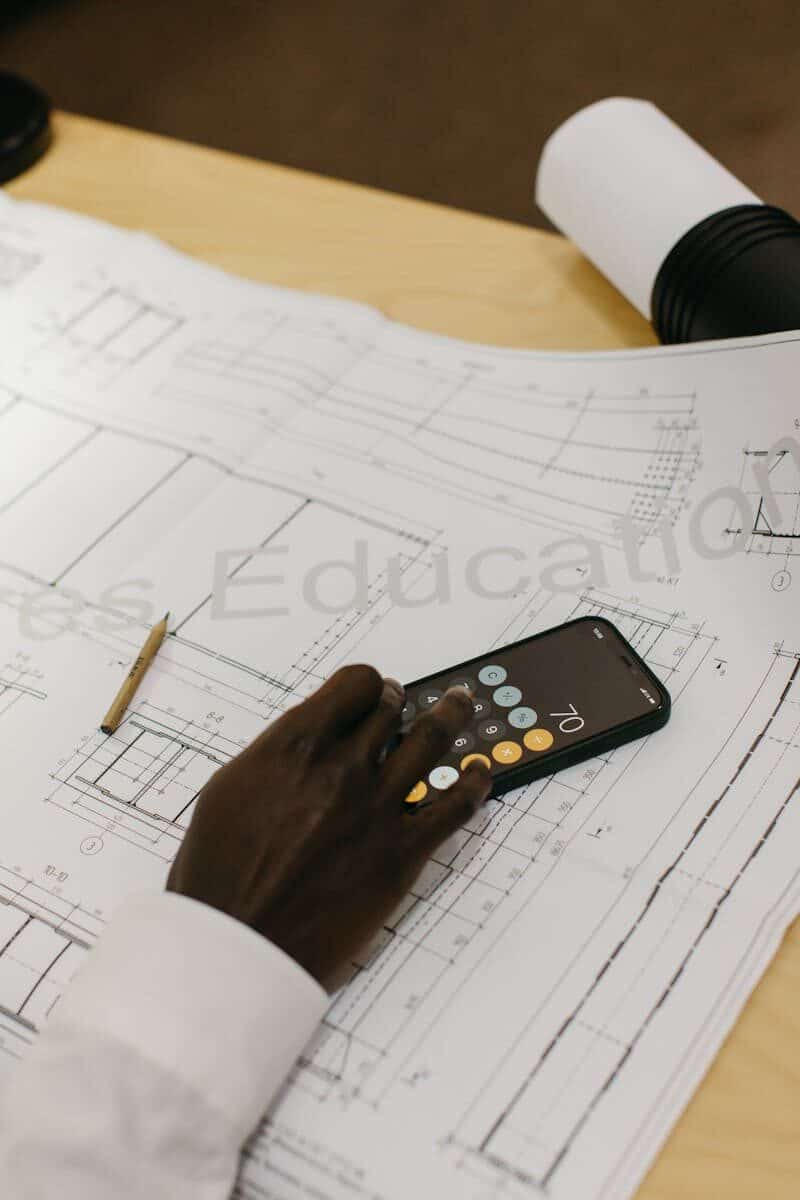
Photo by Yaroslav Shuraev on Pexels
Final Thoughts on Preconstruction
Preconstruction is one of the most important phases of any construction project because it shapes everything that follows.
It helps define the project scope, project budget, construction schedule, construction site logistics, safety plan, communication plan, permitting process, procurement strategy, and risk management approach. It brings the building owner, design team, construction team, project managers, construction managers, and general contractor together before construction begins.
Strong preconstruction helps prevent delays, control costs, reduce surprises, and support a smoother construction phase.
At SCIC, we believe every successful project starts with thoughtful planning. Whether you are preparing a senior living renovation, healthcare improvement, school project, hospitality upgrade, affordable housing development, office renovation, retail buildout, or historic restoration, we are ready to help you start with confidence.
Let’s Discuss Your Next Renovation.
Helpful Links and Resources for Preconstruction
- Construction Industry Institute (CII): The CII offers research-based insights and best practices for preconstruction planning and project management. Visit CII
- National Institute of Building Sciences (NIBS): NIBS provides resources and tools to improve the built environment, including preconstruction strategies and guidelines. Visit NIBS
- American Institute of Architects (AIA): AIA offers resources on design and preconstruction processes, including project planning and collaboration tools. Visit AIA
- Construction Management Association of America (CMAA): CMAA provides educational materials, certifications, and resources for effective construction management, including preconstruction phases. Visit CMAA
- Lean Construction Institute (LCI): LCI focuses on lean principles in construction, offering resources to improve efficiency during preconstruction and beyond. Visit LCI
- Building Information Modeling (BIM) Forum: The BIM Forum promotes the use of BIM technology in preconstruction to enhance collaboration and project outcomes. Visit BIM Forum
- Associated General Contractors of America (AGC): AGC provides a wealth of resources, including preconstruction planning guides, industry news, and training programs. Visit AGC


