
For real estate developers, understanding how construction sites function is essential for successful project oversight. While developers may not be performing the physical work themselves, having insight into how a construction project operates can help prevent delays, reduce risks, and support better decision-making.
Across the construction industry, projects involve complex coordination between architects, engineers, construction professionals, contractors, and investors. From early planning to the finished structure, each stage of the construction process involves multiple moving parts.
At South Coast Improvement Company, we help developers navigate these environments by providing experienced leadership and coordinated project management throughout the entire project lifecycle.
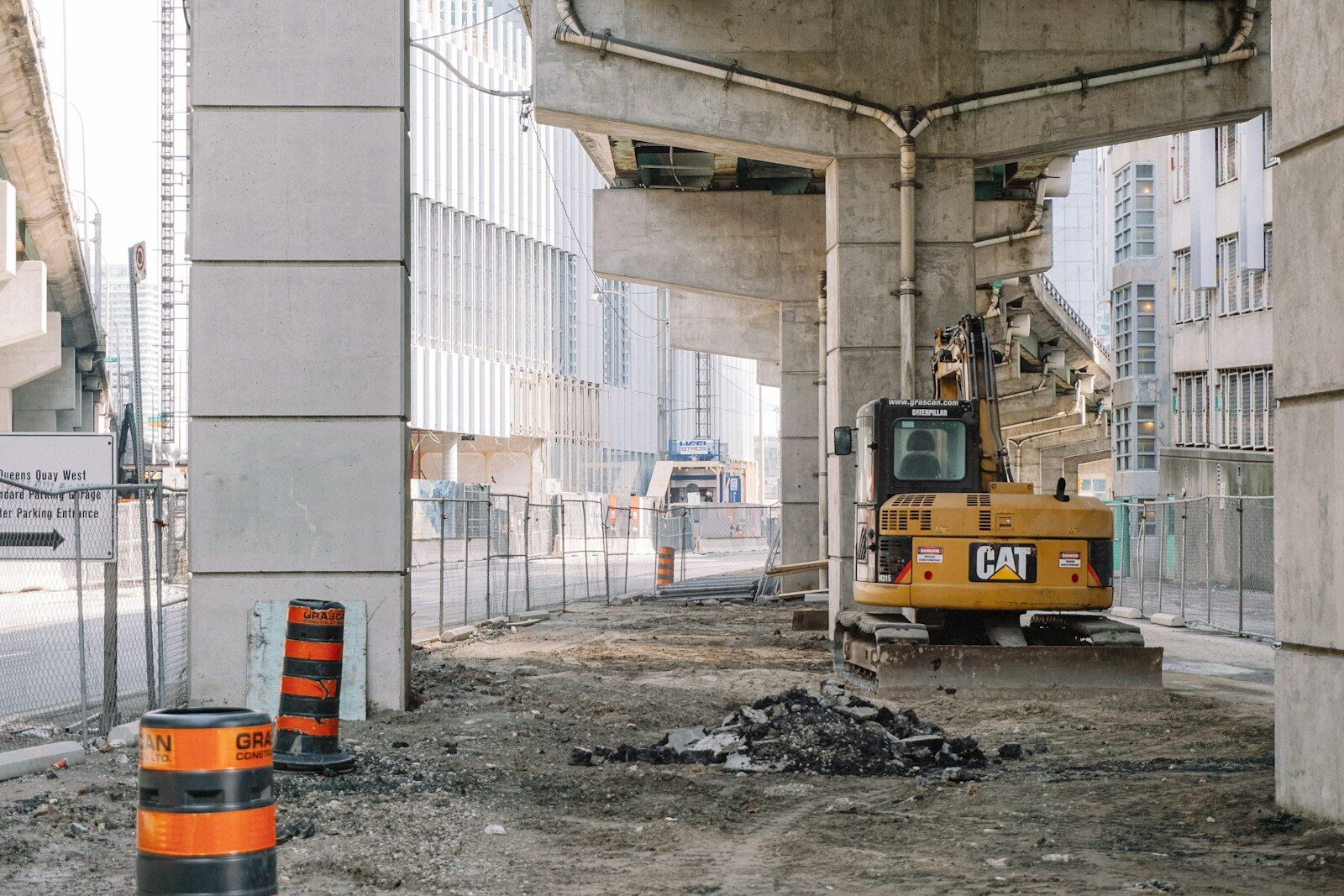
Photo by Maarten van den Heuvel on Unsplash
What Happens on Construction Sites in the Construction Industry
Active construction sites are dynamic environments where many activities happen simultaneously. Once construction begins, the building site becomes a coordinated hub of planning, logistics, and physical construction works.
Whether the project involves office buildings, commercial buildings, residential and commercial buildings, or infrastructure such as power plants and waste management plants, the basic structure of site operations remains similar.
On most job sites, you will see:
- construction workers handling installation and structural work
- equipment operators controlling heavy machinery and heavy equipment
- teams organizing construction materials and specialized tools
- professionals coordinating schedules and inspections
- crews installing utilities such as sewerage systems
These physical construction activities must be carefully organized to maintain a smooth operation across the site.
Large projects often involve multiple activities happening at the same time. Effective site management ensures these tasks are completed safely and efficiently.
Key Roles of Construction Professionals and General Contractors On Site
Every successful construction site depends on a coordinated team of professionals.
Some of the most important key roles include:
Project Manager
The project manager oversees the overall construction project, ensuring the timeline, budget, and quality standards remain aligned with the developer’s goals.
General Contractors
General contractors coordinate subcontractors and supervise the construction workers responsible for completing the work.
They ensure construction teams follow project specifications and maintain productivity across the job site.
Construction Professionals and Site Managers
Experienced construction professionals and site managers handle daily operations, monitor site safety, and ensure all workers follow established procedures.
These professionals help maintain communication between developers, architects, and contractors.
Equipment Operators and Skilled Workers
Operators who control heavy machinery and other equipment are responsible for specialized tasks such as excavation, structural lifting, and site preparation.
Their work supports critical elements of building construction.

Photo by Shane McLendon on Unsplash
Construction Materials, Building Sites, and Project Logistics
Every construction project requires careful coordination of construction materials, equipment, and labor.
At any given time, workers may be installing structural systems, preparing foundations, or coordinating deliveries of materials needed for the next phase of the build.
Large commercial site projects often require staging areas for materials and equipment, especially when dealing with large-scale projects.
Common materials used on construction sites include:
- structural steel
- concrete
- framing components
- electrical infrastructure
- plumbing systems
In addition to permanent construction materials, projects often require temporary structures to support work activities. These may include storage areas, safety barriers, or enclosed workspaces.
Managing materials effectively helps prevent delays and reduces the time crews spend time searching for tools or supplies.
Adequate Training, Health, and Safety on Construction Sites
Maintaining strong health and safety practices is one of the most important responsibilities on any construction site.
Workers must follow strict safety protocols to reduce potential risks and protect everyone on site.
Common safety requirements include wearing personal protective equipment, such as:
- Hard hats
- Safety glasses
- Protective gloves
- Steel-toe boots
Additional safety equipment may include fire extinguishers, warning signage, and designated hazardous areas to prevent accidents.
Because construction requires specialized skills, workers must receive adequate training to handle equipment, operate power tools, and perform specialized tasks safely.
Proper safety programs help prevent workers from entering dangerous zones and ensure teams follow proper procedures.
Bid Management and Coordination During Daily Operations
Another important element of construction oversight is bid management.
During project planning, developers evaluate proposals from contractors and vendors to determine which teams will complete the work.
Once construction begins, coordination becomes critical for daily operations.
Developers and contractors must maintain smooth communication to ensure:
- Materials arrive on schedule
- Contractors complete essential tasks on time
- Safety protocols are followed
- Inspections and approvals occur as required
Without proper coordination, even small issues can affect project timelines.
Experienced teams help keep multiple units and complex developments moving toward successful completion.
Construction Site Checklist for Developers
For developers overseeing construction sites, understanding what to monitor during the construction process can help avoid delays and improve project outcomes.
Here are several key items to track during a project:
Site Coordination
- Clear communication between developers and general contractors
- Defined site management responsibilities
- Organized workflow across multiple activities
Safety and Compliance
- Proper personal protective equipment
- Clearly marked hazardous areas
- Active health and safety monitoring
Logistics and Materials
- Organized delivery of construction materials
- Safe operation of heavy machinery
- Storage areas for tools and equipment
Project Oversight
- Strong project manager leadership
- Effective coordination among construction professionals
- Clear progress tracking toward the finished building
These checkpoints help ensure the construction project progresses smoothly from foundation work to final inspection.
Why Experienced Construction Teams Matter
Developers rely on experienced teams to guide projects from concept to completion.
Construction sites are complex environments that require detailed planning, strong communication, and careful coordination between many stakeholders.
At South Coast Improvement Company, we provide expert leadership for commercial buildings, renovations, and new developments across multiple industries.
Our team works closely with developers to maintain safety, manage schedules, and deliver projects efficiently from the initial plan through the final finished product.
More than 90% of our projects come from repeat clients — a reflection of the trust we’ve built through reliable results.

Ready to Start Your Next Construction Project?
Whether you’re developing office buildings, planning multi-unit housing, or managing a major commercial build, understanding how construction sites operate can help you make better decisions throughout the project.
If you’re planning a new development or renovation, our experienced team is ready to help guide the process.
Start Your Project with Confidence
Let’s build something exceptional together.
More About Construction Sites
Occupational Safety and Health Administration (OSHA): Stay updated on workplace safety standards and regulations with OSHA’s comprehensive resources. Visit OSHA
National Institute for Occupational Safety and Health (NIOSH): Access research and recommendations for preventing workplace injuries and illnesses. Visit NIOSH
American Society of Civil Engineers (ASCE): Explore technical resources, publications, and industry standards for civil engineering and construction. Visit ASCE
Construction Industry Training Board (CITB): Find training courses, certifications, and resources to enhance skills in the construction industry. Visit CITB
National Safety Council (NSC): Learn about safety training, resources, and tools to promote a safe construction environment. Visit NSC
Environmental Protection Agency (EPA) – Construction Resources: Access guidelines and resources for managing environmental compliance on construction sites. Visit EPA Construction Resources
Construction Management Association of America (CMAA): Discover best practices, certifications, and resources for construction management professionals. ,Visit CMAA
View Our Work

Brookdale Battery Park City – Brookdale Senior Living
Carefully executed within an occupied senior living environment South Coast Improvement Company completed selective interior renovations at Brookdale Senior Living’s Battery Park City community, enhancing resident living spaces through targeted apartment upgrades. The...

Brookdale Cushing Park – Brookdale Senior Living
Critical 2-part phasing plan stayed within budget, on schdeule, & with no disruption to residents. South Coast Improvement successfully completed extensive renovations at Brookdale Cushing Park, a premier senior living community spanning over 100 acres in...


