

When we walk onto a job site at South Coast Improvement Company (SCIC), we see more than just steel beams and concrete. We see a complex web of planning, calculations, and regulatory compliance that keeps the entire project standing. On large-scale projects, nothing works without strong civil engineering behind it.
You might hear the term “civil engineer” thrown around often during planning meetings or capital assessments. But despite how common the title is, many clients aren’t always sure what that role actually includes. Is it just about drawing maps? Do they only handle roads?
In this post, we’re going to break down exactly what a civil engineer brings to the table. You will learn how their expertise directly impacts project safety, keeps construction costs in check, and ensures the long-term success of your investment.
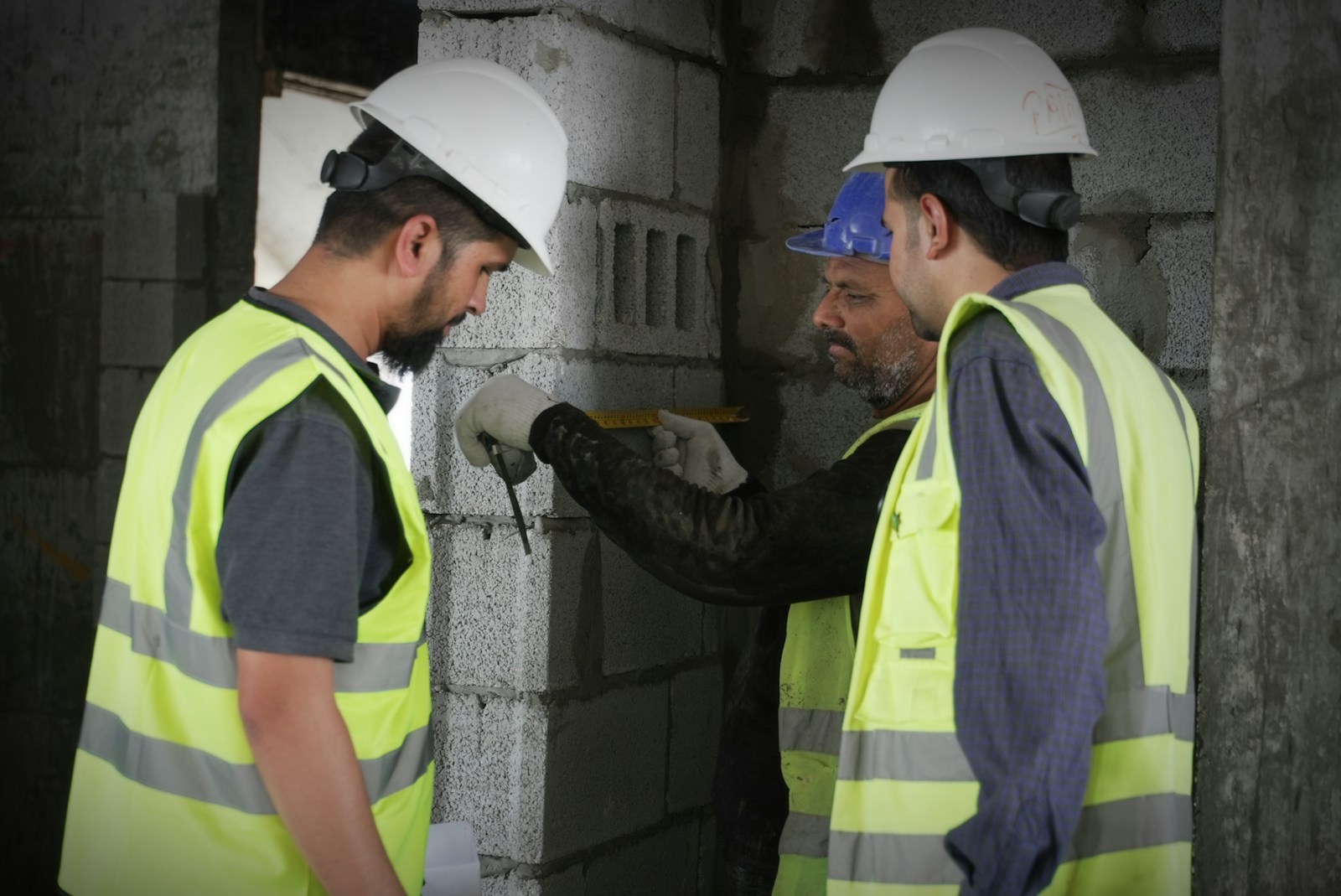
Photo by Glenov Brankovic on Unsplash
What Is a Civil Engineer?
At its core, what is a civil engineer? In plain language, a civil engineer is a professional responsible for the design, construction, and maintenance of the physical and naturally built environment. They are the master planners behind the infrastructure that supports our daily lives. Civil engineering is one of the oldest engineering disciplines, and the term ‘civil engineer’ was established by John Smeaton in 1750 to distinguish between civil and military engineers.
Civil engineers plan, design, and oversee infrastructure and building systems. While architects focus on the aesthetics and spatial flow of a building, civil engineers focus on how that building interacts with the earth it stands on and the systems it connects to. Job titles in this field can include specialized roles such as ‘city engineer,’ who is responsible for overseeing municipal infrastructure projects, permits, and licenses within a city government.
These professionals work closely with construction firms like ours, architects, and property owners to turn conceptual visions into buildable, safe, and compliant plans. They ensure that your new hospital wing doesn’t just look good, but also has proper drainage, stable foundations, and safe access roads. Civil engineers often pursue a civil engineering specialty, allowing them to focus on specific areas such as transportation, environmental, or structural engineering.
What Do Civil Engineers Actually Do on Construction Projects?
When you look at the daily operations of a site, civil engineers are involved in critical tasks that happen long before the first shovel hits the ground. Construction engineers, in particular, are engaged in all phases of building projects, from feasibility studies and site investigations to design collaboration and ongoing maintenance, ensuring a comprehensive approach throughout the construction process.
Here is a breakdown of the duties civil engineers typically handle:
- Conducting site assessments and feasibility studies to determine project viability
- Overseeing and managing design projects, ensuring that systems and infrastructure are designed to reduce environmental impacts
- Preparing and reviewing project plans, blueprints, and technical drawings
- Ensuring compliance with building codes, safety regulations, and environmental standards
- Coordinating with architects, construction managers, and other stakeholders
- Managing budgets, schedules, and resources
- Directing projects from inception to completion, overseeing all aspects to ensure they are executed according to plan
Assessing Project Feasibility
Before we commit to a build, we need to know if it’s viable. Civil engineers help by assessing a project’s economic feasibility. They analyze site conditions to determine if the land can support the proposed structure without blowing the budget on foundational corrections.
Reviewing Surveys and Environmental Reports
Civil engineers review detailed survey reports and environmental impact statements. They need to know exactly where the property lines are, what the soil composition looks like, and if there are potential environmental hazards that need mitigation.
Ensuring Compliance
Regulatory hurdles can stall a project for months. Civil engineers ensure that projects comply with strict industry and government standards. They navigate the complex web of local zoning laws and government regulations so you don’t have to.
Overseeing Surveying Operations
On active construction sites, precision is everything. Civil engineers oversee surveying operations to establish building locations with exact accuracy. This is critical in occupied environments—like the senior living communities we serve—where a mistake in placement could disrupt existing utilities or resident access.
How Civil Engineers Work Across Different Specialties
The field is vast, and civil engineers work across many different niches. Civil engineers typically specialize in areas such as construction engineering, geotechnical engineering, structural engineering, and environmental engineering. While civil engineering focuses on infrastructure and the built environment, mechanical engineering is a distinct discipline dedicated to designing, analyzing, manufacturing, and maintaining mechanical systems. Depending on the complexity of your project, we might coordinate with several specialists. Here are the most common ones we see in commercial construction:
Geotechnical Engineering
Before building up, we must look down. Geotechnical engineering focuses on rock and soil analysis. These engineers ensure the ground is stable enough to support the weight of the structure.
Structural Engineers
While technically a specialty of civil engineering, structural engineers focus specifically on designing load-bearing systems. They calculate the strength required for beams, columns, and foundations to withstand gravity, wind, and seismic activity.
Transportation Engineering
For large campuses, transportation engineering is key. These engineers plan access roads, parking lot layouts, and ensure smooth traffic flow for vehicles and pedestrians.
Environmental Engineers
These specialists manage critical systems like stormwater drainage, water and sewage systems, and waste management. They ensure your facility handles its environmental footprint responsibly.
Education, Licensure, and Professional Standards
The path to the civil engineering profession is rigorous, which is why we trust their calculations implicitly. To become a civil engineer, the foundational requirement is a bachelor’s degree in civil engineering or a related field. The education civil engineers receive typically includes coursework in math, statistics, engineering mechanics, and fluid dynamics, depending on their specialty.
Graduating from an ABET-accredited program is essential, as it is required to obtain a Professional Engineering (PE) license. To earn a PE license, civil engineers must pass the Fundamentals of Engineering exam, gain relevant work experience, and then pass the Principles and Practice of Engineering exam. State licensure generally requires meeting own licensure requirements, which may include ongoing education and compliance with state-specific rules. The Occupational Outlook Handbook is a valuable resource for information on career advancement, licensing, and professional development for civil engineers.
Internships are highly recommended for aspiring civil engineers to gain practical experience in the field. Many civil engineers also pursue further education, such as a master’s degree, to enhance their skills and career prospects. Civil engineers use specialized software, including CAD, to create blueprints, simulations, and models for infrastructure projects, and they analyze site data such as soil reports and environmental impact. They must understand local, state, and federal building codes, environmental regulations, and safety laws, and often coordinate with federal agencies during environmental evaluations.
Strong decision-making, leadership, problem-solving, and communication skills are essential for civil engineers to balance objectives like financial costs and safety concerns, manage projects, and present plans to diverse audiences. Civil engineers often network with other civil engineers and may advance to senior engineers or senior technical roles through licensure and specialization.
Once they pass, they are called professional engineers (PEs). State licensure generally requires ongoing education to keep up with evolving industry and government standards. This licensure matters immensely for public safety. When we work with government agencies or federal government clients, having a licensed PE sign off on plans isn’t just a “nice to have”—it’s a legal requirement.
Skills and Qualities of Successful Civil Engineers
Successful civil engineers bring much more to the table than technical know-how. To thrive in the civil engineering profession, they must combine a solid foundation in engineering mechanics and mathematics with strong business sense and people skills. Many civil engineers develop specialized knowledge in areas like geotechnical engineering, structural engineering, or transportation engineering, allowing them to tackle complex challenges unique to each project.
A civil engineering degree is the starting point, but it’s the ability to solve problems creatively, communicate clearly with diverse teams, and pay meticulous attention to detail that sets top professionals apart. On busy construction sites, civil engineers must make quick, informed decisions while ensuring that every aspect of the project meets strict industry and government standards. As projects grow in scale and complexity, many civil engineers advance to supervisory or administrative positions, where leadership and organizational skills become just as important as technical expertise.
Professional engineer licensure is often essential for those looking to take on greater responsibility, as it demonstrates both technical competence and a commitment to public safety. Whether managing site logistics, assessing a project’s economic feasibility, or coordinating with architects and contractors, civil engineers rely on a blend of specialized knowledge and practical experience to deliver successful outcomes.
Civil Engineers vs. Structural Engineers: What’s the Difference?
We often get asked about the difference between civil and structural engineers. While they are closely related, their focus differs.
Structural engineers design the skeleton of the building. They focus deeply on building materials—concrete, steel, timber—and how they hold up under stress. Their main concern is structural integrity.
Civil engineers take a broader view. They look at how the building sits on the site, how it connects to the city’s infrastructure, and how people and utilities move in and out of the property. On complex projects, both roles work together. The civil engineer might design the site grading and drainage, while the structural engineer designs the steel frame that sits on that graded site.
Transportation and Infrastructure Planning in Large-Scale Builds
If you are developing a hospital or a university campus, getting people to the front door is just as important as the building itself. This is where transportation engineering shines.
Transportation engineers plan the arteries of your property. They design transportation systems that manage traffic flow, ensuring ambulances have clear paths or that school buses can navigate drop-off zones safely.
They also handle mass transit systems integration and pedestrian safety walkways. For our clients in senior living, this is vital; we need smooth, accessible pathways that comply with ADA standards, ensuring residents can move freely and safely.
How Civil Engineers Help Control Costs, Risk, and Disruption
Nobody likes surprise costs. In our experience, most civil engineers are excellent risk managers. By providing accurate cost estimates and detailed site analysis early in the process, they help us reduce surprises later.
For example, a thorough soil analysis might reveal a high water table. Catching this early allows us to engineer a drainage solution before we pour the foundation, rather than facing a catastrophic flood during construction.
This aligns perfectly with SCIC’s expertise in occupied renovations. By understanding the site’s limitations and infrastructure upfront, we can plan our work to minimize disruption to your tenants, patients, or students. We use their data to manage construction costs and keep timelines tight.
Why Civil Engineering Is Critical for Safety and Compliance
Safety is our number one priority. Civil engineers are the gatekeepers of safety standards on major projects.
They ensure every aspect of the site meets government clients’ requirements, OSHA safety standards, and ADA accessibility rules. They prepare the necessary documentation to submit permit applications and get them approved faster.
In healthcare and education, where populations are vulnerable, this role is non-negotiable. Civil engineers design systems that prevent flooding, ensure fire truck access, and manage hazardous materials safely. They help us approve design plans that protect the people who will eventually use the building.
Industry Outlook and Job Prospects in Civil Engineering
The future looks bright for those entering the civil engineering field. According to the Bureau of Labor Statistics, employment opportunities for civil engineers are projected to grow by 5% from 2024 to 2034, outpacing the average for many other professions. This demand is fueled by the ongoing need to upgrade aging infrastructure, expand transportation networks, and develop sustainable water and sewage systems.
Many civil engineers work on large construction projects that require careful planning and strict adherence to government regulations and industry standards. Civil engineering jobs are available across a range of sectors, including government agencies, construction firms, and private consulting companies. Whether it’s designing new bridges, overseeing the construction of commercial buildings, or ensuring that projects comply with environmental and safety requirements, civil engineers play a vital role in shaping the built environment.
For those with a degree in civil engineering, the career path is both stable and rewarding. Labor statistics show that the median annual salary for civil engineers is around $99,590, reflecting the high level of expertise and responsibility required. As infrastructure investment continues, the need for skilled civil engineers will remain strong, making it an attractive option for those interested in making a tangible impact on their communities.
Emerging Trends Shaping the Future of Civil Engineering
The civil engineering profession is undergoing rapid transformation as new technologies and priorities reshape the industry. Many civil engineers are now at the forefront of sustainable design, integrating green building practices and energy-efficient solutions into their projects. The adoption of building information modeling (BIM) is revolutionizing how civil engineers work, enabling more precise planning, collaboration, and project management.
Smart infrastructure is another major trend, with civil engineers designing transportation systems and hydraulic systems that can adapt to changing conditions and withstand natural disasters. Coastal engineering is gaining importance as communities seek to protect themselves from rising sea levels and severe weather events. The growing emphasis on environmental impact statements and stormwater management means that civil engineers with specialized knowledge in these areas are in high demand.
Government agencies, including the US Army Corps of Engineers, are investing heavily in infrastructure upgrades, further increasing the need for innovative solutions and skilled professionals. As the industry evolves, civil engineers who stay ahead of these trends will be well-positioned to lead the next generation of infrastructure projects.
Economic Benefits of Civil Engineering Projects
Civil engineering projects are powerful engines for economic growth. Large construction projects—such as mass transit systems, commercial developments, and public infrastructure—create thousands of jobs and inject significant revenue into local economies. Civil engineers play a crucial role in ensuring these projects are not only structurally sound but also economically viable, helping to maximize returns on investment.
By identifying and mitigating potential environmental hazards early in the planning process, civil engineers help avoid costly delays and protect public health. The economic benefits extend well beyond the construction phase; well-designed infrastructure reduces maintenance costs, improves efficiency, and supports long-term community development. According to the Bureau of Labor Statistics, some civil engineering projects generate billions of dollars in economic activity, underscoring their importance to both the private and public sectors.
Whether it’s a new transit line or a major building renovation, the expertise of civil engineers ensures that projects deliver lasting value for clients and communities alike.
Social Impacts of Civil Engineering on Communities
Civil engineering shapes the way people live, work, and connect within their communities. Many civil engineers work on projects that directly enhance quality of life, from designing safe and accessible transportation systems to creating public spaces, schools, and healthcare facilities. The social impacts of their work are far-reaching—well-planned infrastructure can improve public health, increase safety, and open up new economic opportunities for residents.
Civil engineers must balance technical requirements with the needs and concerns of the community, ensuring that every project complies with government regulations and industry standards. By collaborating with government agencies, construction firms, and local stakeholders, civil engineers help create environments that are not only functional but also inclusive and sustainable.
As the demand for skilled civil engineers continues to rise, their role in building resilient, thriving communities becomes even more critical. Through thoughtful design and responsible construction, civil engineers leave a lasting positive legacy on the places we call home.

How We Work With Civil Engineers at South Coast Improvement Company
At SCIC, we believe in a single-source model. This means we take accountability for the entire project, from design to completion. We don’t just hire civil engineers; we integrate them into our team.
We coordinate the civil engineering jobs, construction management, and design-build teams so they communicate effectively. Instead of you acting as the referee between an architect and an engineer, we manage that relationship. We ensure the civil engineers plan aligns with the construction reality.
This collaboration allows us to utilize specialized skills and design software effectively, ensuring that survey reports translate into accurate groundwork. It creates clarity, accountability, and a smoother build for you.
When Should You Involve a Civil Engineer in Your Project?
You might be wondering when to bring this expertise on board. We recommend involving civil engineering insight during:
- Early planning and capital assessments: Before you buy land or commit to a budget.
- Property surveys: To understand exact boundaries and topography.
- Major renovations: Especially those changing the building’s footprint or utility usage.
- Projects involving government agencies: Where strict compliance is mandatory.
Whether it is coastal engineering for a beachfront resort or stormwater management for a new retail plaza, early involvement saves money.
Building With Confidence Starts With the Right Team
Understanding what is a civil engineer helps you appreciate the depth of expertise required for successful development. They are essential to long-term project success, ensuring your investment is safe, compliant, and built to last.
But you don’t need to be an engineering expert to get these results. You just need a partner who knows how to guide complex projects from idea to completion.
At South Coast Improvement Company, we bring decades of experience and a trusted network of engineering professionals to every job. We handle the technical details so you can focus on your business.
Learn More About Civil Engineering
Deepen your understanding of civil engineering and its impact on the world by exploring these credible resources:
- American Society of Civil Engineers (ASCE): Discover the latest in civil engineering advancements, standards, and professional development opportunities.
- American Concrete Institute (ACI): Discover resources on the latest standards, technologies, and educational materials related to concrete design and construction.
- ICE Virtual Library: Browse journals, e-books, and conference papers from the Institution of Civil Engineers for in-depth knowledge and research.
- National Society of Professional Engineers (NSPE): Learn about the ethical and professional responsibilities of engineers, along with career resources.
- Engineering News-Record (ENR): Stay informed with news, insights, and analysis on the construction and civil engineering industries globally.
- Civil Engineering Magazine: Access articles on cutting-edge projects, technologies, and trends shaping the profession.
- U.S. Bureau of Labor Statistics – Civil Engineers: Gain insights into career prospects, job roles, and industry statistics for civil engineers.
- Structurae: Explore an international database of structures and construction engineering with project details, photographs, and technical insights.
Ready to start your next project with confidence?
Request a Free Consultation or Schedule a Project Assessment Today. Let’s discuss how we can bring your vision to life safely and efficiently.
View Our Work

Aspen Dental
Partnering with The Aspen Group on the construction of a new Aspen Dental facility that’s functional & welcoming for patients & staff alike. South Coast Improvement Company was awarded the construction of a new Aspen Dental facility in Killingly, CT. The...

Springhouse Senior Living – HumanGood
Designed to enhance comfort & functionality. South Coast Improvement company was hired by HumanGood for an interior and exterior renovation at Springhouse Senior Living. Our skilled teamtransformed the 2nd through 5th floor common areas into brighter, more...


