
If you have ever watched raw land become a new senior living community, an outdated building become modern commercial space, or an empty property become a thriving mixed-use development, there was likely a real estate developer guiding the vision behind it.
So, what is a real estate developer?
View Our Work
Explore some of South Coast Improvement Company’s latest construction and renovation projects.

Brookdale Battery Park City – Brookdale Senior Living
Carefully executed within an occupied senior living environment South Coast Improvement Company completed selective interior renovations at Brookdale…
View Project
Brookdale Cushing Park – Brookdale Senior Living
Critical 2-part phasing plan stayed within budget, on schdeule, & with no disruption to residents. South Coast Improvement…
View Project
Village Clubhouse at Ann’s Choice
Occupied renovations were completed within an active Independent Living community with minimal disruption to residents and daily operations.…
View ProjectA real estate developer is the person or company that brings a real estate project to life. They identify opportunities, evaluate project viability, acquire land or existing buildings, secure financing, coordinate design, manage approvals, and work with construction professionals to move the project from concept to completion.
At South Coast Improvement Company, we work with real estate developers, property developers, property managers, municipalities, financial asset managers, and institutional leaders who need a trusted construction partner to help execute their vision. From pre-construction and design-build to construction management and general contracting, we help clients move through the development process with clarity, accountability, and confidence.
Real estate development is exciting, but it is also complex. Developers make big decisions that affect budgets, timelines, communities, and long-term value. That is why the right construction team matters from the beginning.
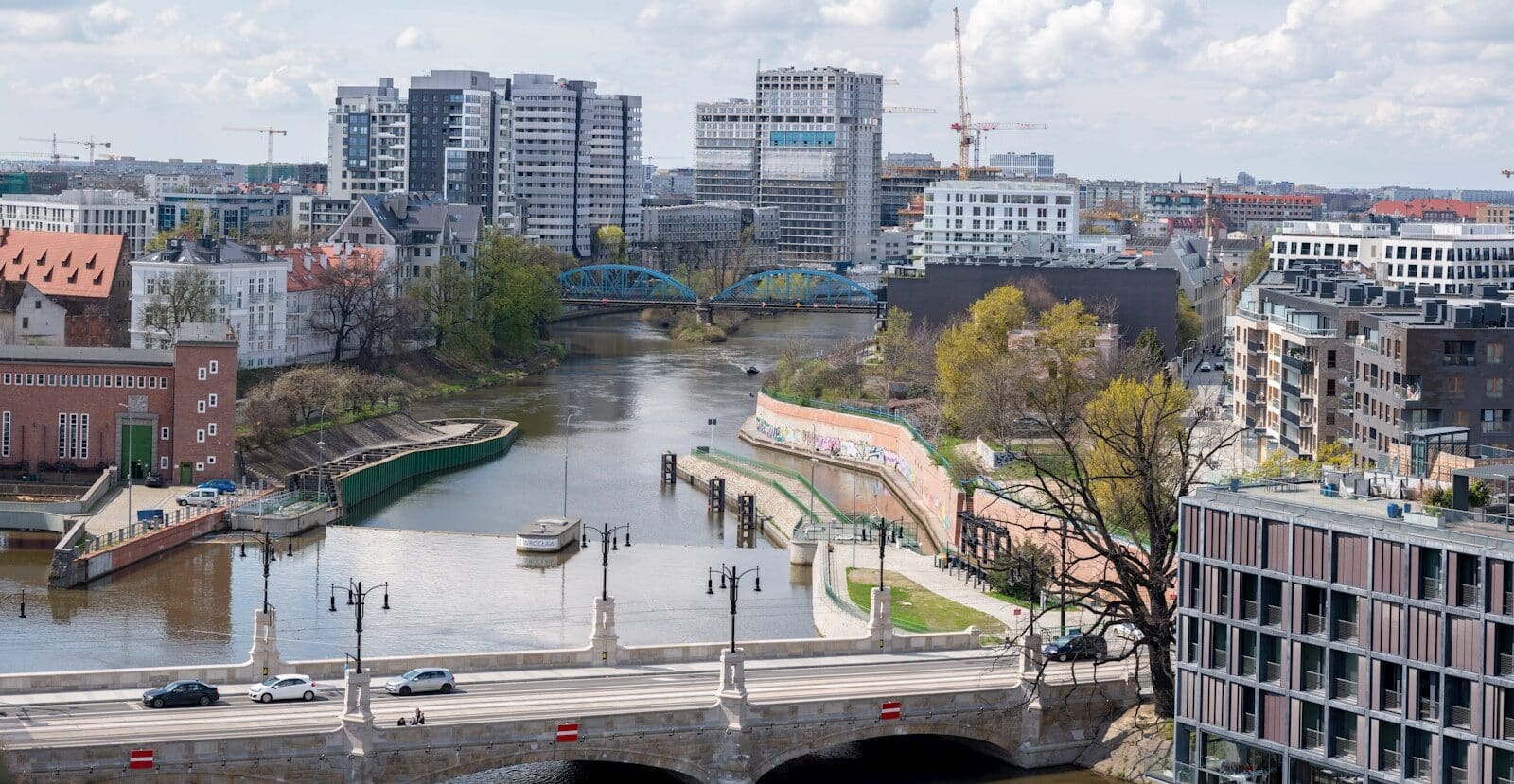
Photo by Jakub Żerdzicki on Unsplash
What Is a Real Estate Developer?
A real estate developer is responsible for creating, improving, or repositioning property. That may mean acquiring land for a new building, renovating existing buildings, converting a property to a new use, or developing commercial properties, residential real estate, retail spaces, multi-family homes, or mixed-use projects.
Real estate developers play a crucial role in the built environment. They help shape how communities grow, how businesses operate, and how properties serve people over time.
A developer may work on:
- Residential real estate development
- Commercial real estate development
- Senior living communities
- Healthcare facilities
- Affordable housing
- Retail centers
- Office buildings
- Hospitality properties
- Mixed-use development
- Single-family homes
- Multi-family homes
- Renovations of existing buildings
- Historic property improvements
- Community-focused development projects
Some developers focus on raw land. Others specialize in improving properties that already exist. Some work in residential development, while others focus on commercial real estate development or institutional projects.
No matter the project type, the goal is usually the same: create a property that is financially viable, functional, safe, compliant, and valuable over the long term.
Real Estate Development and Why Developers Matter
Real estate development is more than buying land and building something on it. It is a full process that requires market research, financial planning, land acquisition, risk management, project management, financing, design coordination, municipal approvals, and construction execution.
A successful real estate developer must understand many different aspects of the real estate industry, including:
- Local market conditions
- Market trends
- Industry trends
- Zoning laws
- Zoning regulations
- Building codes
- Real estate finance
- Construction costs
- Financing options
- Project timelines
- Community needs
- Leasing properties
- Property management
- Risk management
- Long-term value
Developers connect vision with execution. They look at a site or building and ask, “What could this become?” Then they build the team and the plan needed to make that vision real.
At SCIC, our role is to support that execution. We understand that a development project is not just about construction. It is about protecting the schedule, controlling cost, managing disruption, meeting code requirements, and delivering a finished space that works for the people who will use it.

Photo by Artur Voznenko on Unsplash
The Real Estate Development Process From Concept to Completion
The real estate development process can vary by project, but most development projects follow a similar path.
1. Market Research and Opportunity Identification
Before acquiring land or purchasing a building, developers need to understand the local market. They look at population growth, business activity, housing needs, tenant demand, competition, pricing, and future growth.
Market research helps developers make informed decisions. A great site in the wrong market may not be viable. A dated building in a strong location may hold tremendous potential.
For example, a developer may identify demand for affordable housing in one community, retail spaces in another, or senior living improvements in a region with aging demographics.
2. Site Selection and Land Acquisition
Once a developer identifies an opportunity, the next step is often acquiring land or evaluating existing buildings.
During land acquisition, developers look at:
- Location
- Access
- Visibility
- Utilities
- Environmental conditions
- Zoning regulations
- Local infrastructure
- Site constraints
- Purchase price
- Development potential
Suitable land is not always obvious at first glance. A parcel may look attractive but have zoning limitations, utility challenges, soil concerns, or access problems. That is why thorough research is essential before moving forward.
3. Project Viability and Financial Planning
A developer needs to know whether the project makes sense financially. This includes estimating costs, revenue potential, financing needs, risk, timelines, and return on investment.
Real estate finance may include bank loans, private capital, investor funding, public incentives, grants, tax credits, or other financing options, depending on the project type.
Financial planning often includes:
- Land costs
- Design fees
- Permitting costs
- Construction costs
- Financing costs
- Insurance
- Legal fees
- Contingencies
- Leasing or sales projections
- Property management costs
- Long-term maintenance needs
This is where experienced construction input can make a major difference. Early construction estimates, site assessments, and scope reviews can help developers avoid underestimating the true cost of the project.
4. Design, Planning, and Approvals
Once the project starts to take shape, developers work with architects, engineers, planners, municipalities, and other professionals to refine the design and move through approvals.
This phase may involve:
- Concept plans
- Site plans
- Building design
- Engineering
- Urban planning
- Environmental review
- Zoning approvals
- Permits
- Community meetings
- Code compliance
- Accessibility planning
- Utility coordination
Local zoning laws and building codes can significantly affect what can be built, how it can be used, and what changes are required before construction begins.
For complex projects, approvals can take time. Developers need patience, organization, and a team that understands how to keep the process moving.
5. Construction Phase
The construction phase is where the plan becomes a real building or renovated space. This is also where strong project management becomes critical.
During construction, developers and construction teams coordinate:
- Safety
- Scheduling
- Subcontractors
- Construction materials
- Inspections
- Quality control
- Budget tracking
- Change orders
- Existing conditions
- Regulatory compliance
- Communication
- Final closeout
At SCIC, we specialize in construction projects where safety, compliance, and minimal disruption are essential. That includes senior living, healthcare, education, hospitality, affordable housing, retail, office, and historic properties.
In occupied renovations, the construction phase requires even more care. People may still be living, working, learning, healing, shopping, or visiting in and around the project area. Our team plans around those realities from day one.
Real Estate Agents, Property Managers, and Other Professionals Developers Work With
Real estate developers do not work alone. A successful project depends on a strong professional network.
Developers may work with:
- Real estate agents
- Architects
- Engineers
- General contractors
- Construction managers
- Attorneys
- Lenders
- Financial asset managers
- Property managers
- Municipal officials
- Environmental consultants
- Surveyors
- Real estate sales professionals
- Leasing teams
- Insurance advisors
- Urban planning professionals
- Community stakeholders
Real estate agents may help developers identify properties, understand the local market, evaluate comparable sales, or connect with sellers. Property managers may provide insight into operating needs, tenant expectations, long-term maintenance, and leasing properties after completion.
A general contractor or construction management partner helps translate the plan into a finished project. That includes schedule, budget, safety, trade coordination, site logistics, quality, and closeout.
At SCIC, we see ourselves as part of that larger network. We help developers connect planning with execution so the project can move forward with fewer gaps and clearer accountability.
Property Developers and Project Management
For property developers, project management is one of the most important parts of real estate development.
A development project has many moving pieces. Without strong coordination, small issues can quickly become expensive delays.
Good project management helps developers:
- Define project scope
- Set realistic timelines
- Manage risk
- Coordinate design and construction
- Track budgets
- Control changes
- Communicate clearly
- Maintain safety
- Keep stakeholders informed
- Solve problems quickly
- Protect long-term value
At SCIC, our single-source model gives clients one accountable partner from planning through completion. That matters because development projects often involve many parties, and miscommunication can create real costs.
Our approach is built on clarity, accountability, and follow-through.

Key Skills Every Successful Real Estate Developer Needs
A successful real estate developer needs more than ambition. Development is an exciting field, but it requires discipline, patience, and practical decision-making.
Some key skills include:
Market Awareness
Developers need to understand market conditions, demand, competition, and industry trends. Without market awareness, it is difficult to know whether a project is likely to succeed.
Financial Understanding
Real estate finance is central to development. Developers need to understand financing options, costs, revenue, debt, equity, risk, and long-term asset performance.
Some developers have a background in business administration, real estate sales, finance, construction, or related fields. Others learn through hands-on experience, mentorship, and working with experienced industry professionals.
Risk Management
Every development project carries risk. Market volatility, financing challenges, zoning changes, construction delays, material costs, and unknown site conditions can all affect the outcome.
A good developer knows how to manage risk through thorough research, strong contracts, realistic budgets, contingency planning, and trusted partners.
Communication
Developers must communicate with investors, lenders, designers, contractors, municipalities, property managers, tenants, and community members.
Clear communication helps keep the project aligned.
Construction Knowledge
Developers do not need to be builders, but they do need to understand enough about construction to ask the right questions and choose the right partners.
Construction knowledge helps developers understand schedule, cost, quality, building codes, site logistics, and project feasibility.
How Developers Manage Risk in Real Estate Projects
Risk management is one of the most important parts of real estate development. Developers must manage risk before, during, and after construction.
Common risks include:
- Market volatility
- Financing delays
- Zoning restrictions
- Permit issues
- Construction cost increases
- Material shortages
- Labor availability
- Existing building conditions
- Environmental issues
- Community opposition
- Leasing challenges
- Schedule delays
- Regulatory compliance issues
Developers manage risk by doing thorough research, building strong teams, reviewing project viability, creating realistic budgets, and making informed decisions.
The construction partner plays a major role here. Early involvement from a general contractor or construction management team can help identify site conditions, phasing challenges, material issues, occupied renovation concerns, and budget risks before they become major problems.
At SCIC, we bring practical field experience into the planning process so clients can make better decisions earlier.
The Role of a General Contractor in Real Estate Development
A general contractor helps turn the approved plan into a finished building or renovated space. For developers, choosing the right general contractor is one of the most important decisions in the project.
A contractor may manage:
- Subcontractor coordination
- Construction schedules
- Site safety
- Daily field operations
- Material procurement
- Quality control
- Inspections
- Change management
- Owner communication
- Closeout documentation
At SCIC, we provide general contracting, construction management, pre-construction, and design-build services. That means we can support developers from early planning through final completion.
Our experience is especially valuable on projects where work happens in active environments. Senior living communities, healthcare facilities, schools, hotels, retail centers, and commercial properties often need to remain operational during construction. We understand how to phase work, protect occupants, and reduce disruption.
That is part of why more than 90% of our business comes from repeat clients.
Commercial Real Estate Development and Existing Buildings
Commercial real estate development often involves improving existing buildings. This may include office renovations, retail buildouts, hospitality upgrades, healthcare improvements, senior living expansions, or adaptive reuse projects.
Existing buildings can offer strong opportunities, but they also come with unknowns.
Developers may need to address:
- Structural conditions
- Mechanical systems
- Electrical capacity
- Plumbing upgrades
- ADA compliance
- Fire safety
- Building envelope issues
- Historic preservation
- Tenant access
- Phased construction
- Environmental concerns
- Occupied renovation logistics
At SCIC, we help clients evaluate these issues through project assessments, preconstruction planning, and construction strategy. We know that improving properties requires both technical skill and sensitivity to the building’s current use.
When people are still occupying or operating in the space, planning becomes even more important.
Residential Real Estate Development and Community Impact
Residential real estate development can include single-family homes, multi-family homes, affordable housing, senior living, and apartment communities. These projects directly affect the people who live in them and the communities around them.
Developers need to think about:
- Housing demand
- Affordability
- Accessibility
- Safety
- Building codes
- Community priorities
- Long-term maintenance
- Resident experience
- Property management needs
- Durability
- Future growth
In senior living and affordable housing, especially, construction quality has a direct impact on daily life. Spaces must be safe, functional, comfortable, and built to last.
SCIC brings deep experience in these environments. We understand that a residential development project is not only about units, square footage, and finishes. It is about creating spaces that support people well over time.
What Aspiring Real Estate Developers Should Know
For aspiring real estate developers, the path can look different depending on background and goals. Some start in real estate sales. Others come from construction, finance, business administration, architecture, urban planning, property management, or related fields.
A bachelor’s degree can be helpful, especially in business, finance, construction management, real estate, or urban planning, but hands-on experience is just as important.
Many developers learn by:
- Working in entry-level positions
- Studying local market trends
- Building relationships with industry professionals
- Learning from other developers
- Understanding real estate finance
- Attending conferences
- Reading resources from organizations like the Urban Land Institute and the National Association of Realtors
- Seeking mentorship
- Participating in smaller projects first
The right skills develop over time. The best developers stay curious, do thorough research, build strong networks, and learn how to evaluate risk.
Why the Right Construction Partner Matters
A developer may lead the project, but the construction partner helps make the vision real.
The right construction partner can help developers:
- Evaluate feasibility
- Understand construction costs
- Plan phasing
- Identify site challenges
- Navigate code requirements
- Manage schedules
- Coordinate subcontractors
- Protect safety
- Reduce disruption
- Maintain quality
- Deliver long-term value
At SCIC, we offer a family-founded alternative to impersonal national contractors. Our clients work with a team that values integrity, communication, accountability, and relationships.
We are experienced across senior living, healthcare, education, hospitality, affordable housing, retail, office, and historic properties. We understand how to work in sensitive environments where safety, compliance, and operational continuity matter.
Our goal is to help developers start and finish projects with confidence.
How SCIC Helps Developers Move Through the Development Process
At South Coast Improvement Company, we support developers through every major construction-related phase of the development process.
Our services include:
- Pre-construction planning
- Design-build
- Construction management
- General contracting
- Project assessments
- Occupied renovations
- Capital planning support
- Post-construction services
- Maintenance and long-term support
Our single-source model gives clients one accountable partner for design through construction. That helps reduce confusion, improve communication, and keep the project moving.
We also bring practical expertise in safety, ADA compliance, OSHA requirements, regulatory standards, sustainable construction, energy-efficient solutions, and BIM-supported coordination where appropriate.
From the first project assessment to final closeout, we focus on building trust and delivering results.
Final Thoughts: What Is a Real Estate Developer?
So, what is a real estate developer?
A real estate developer is the person or company that brings a property vision to life. Developers identify opportunities, acquire land or existing buildings, secure financing, manage approvals, coordinate professionals, oversee construction, and create long-term value through the built environment.
But successful real estate development is never a solo effort. It takes architects, engineers, real estate agents, property managers, lenders, municipalities, financial asset managers, contractors, and other professionals working together.
At SCIC, we are proud to be the construction partner developers trust when projects are complex, occupied, regulated, or mission-critical. We bring disciplined planning, safety-first execution, clear communication, and a proven record of repeat success.
If you are planning a development project and need a construction partner who understands what it takes to move from concept to completion, we are ready to help.
Start Your Project with Confidence.

Helpful Links and Resources for Real Estate Development
- Urban Land Institute (ULI): The Urban Land Institute is a global organization that provides leadership in the responsible use of land and in creating sustainable communities. Their website offers research, case studies, and events for real estate professionals. Visit ULI
- Smart Growth America: Smart Growth America focuses on creating sustainable and equitable communities. Their resources include policy guides, case studies, and tools for smart urban development. Visit Smart Growth America
- National Association of Home Builders (NAHB): NAHB provides resources, news, and advocacy for home builders and developers. Their site includes market data, educational programs, and industry updates. Visit NAHB
- American Planning Association (APA): APA supports urban planning and development professionals with tools, research, and best practices for creating thriving communities. Visit APA
- BuildingGreen: BuildingGreen is a trusted source for sustainable design and construction practices. It offers articles, case studies, and product recommendations for eco-friendly development. Visit BuildingGreen
- HUD User (U.S. Department of Housing and Urban Development); HUD User provides access to research, data sets, and publications on housing policy, urban development, and affordable housing initiatives. Visit HUD User
- Energy Star for Commercial Buildings: Energy Star offers tools and resources to help developers design and manage energy-efficient commercial properties. Visit Energy Star


