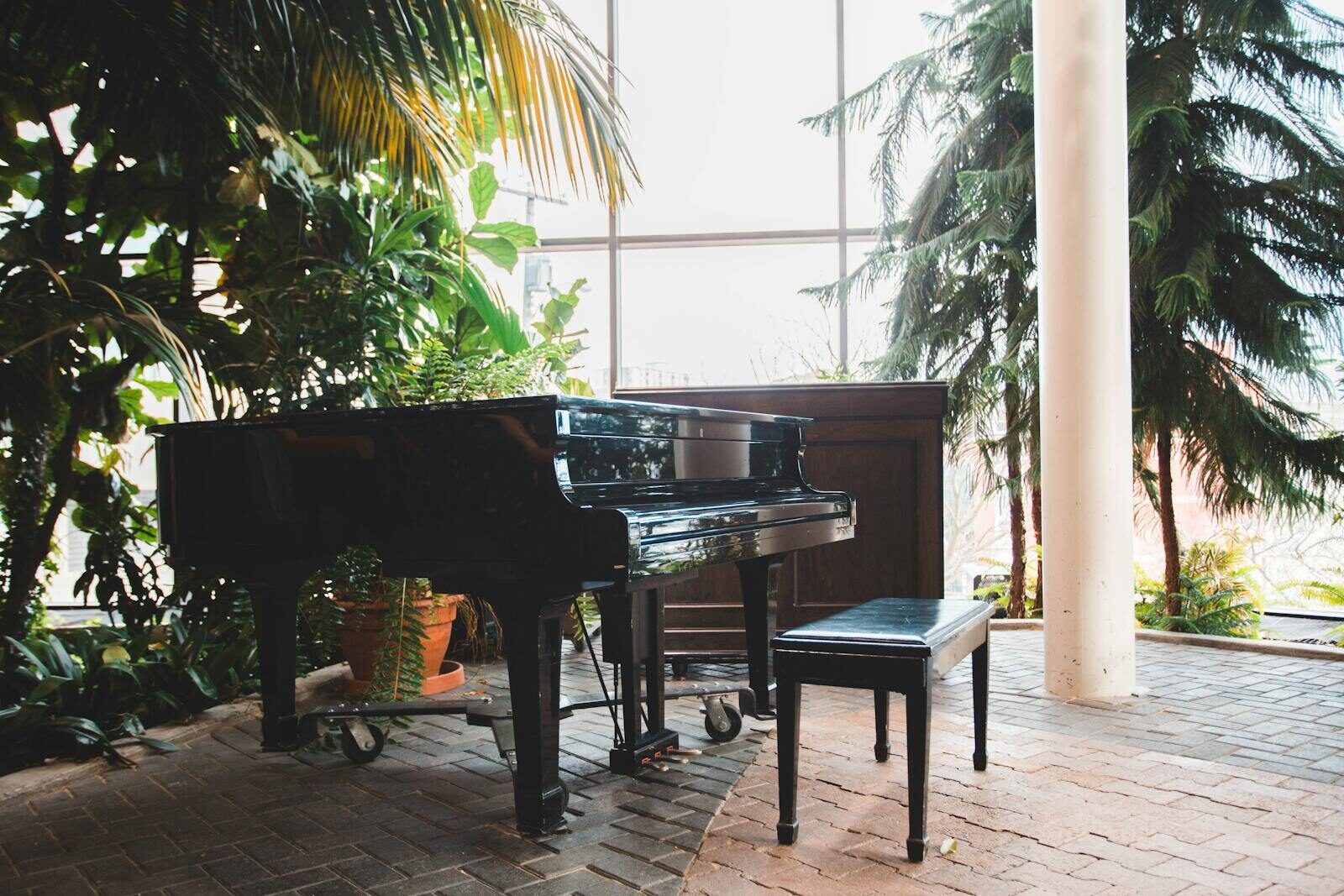
When people think about hospital development, they often picture patient rooms, operating spaces, waiting areas, and clinical infrastructure first. Those spaces matter, of course. But we also know that healing environments depend on more than function alone. Natural light, comfort, thoughtful design, and a strong connection between indoor and outdoor spaces can shape how patients, families, and staff experience a facility every day.
That is where conservatory construction can play a valuable role.
View Our Work
Explore some of South Coast Improvement Company’s latest construction and renovation projects.

Brookdale Battery Park City – Brookdale Senior Living
Carefully executed within an occupied senior living environment South Coast Improvement Company completed selective interior renovations at Brookdale…
View Project
Brookdale Cushing Park – Brookdale Senior Living
Critical 2-part phasing plan stayed within budget, on schdeule, & with no disruption to residents. South Coast Improvement…
View Project
Village Clubhouse at Ann’s Choice
Occupied renovations were completed within an active Independent Living community with minimal disruption to residents and daily operations.…
View ProjectIn healthcare and hospital-adjacent environments, a conservatory is not simply a decorative feature. When planned well, it can become a meaningful living space that supports wellness, improves the overall ambiance of a property, and creates a seamless transition between the built environment and nature. Whether the goal is a bright family gathering area, a calming rehabilitation space, or a flexible room for visitors and staff, the success of the project depends on smart planning, the right materials, and a construction team that understands complex healthcare environments.
At South Coast Improvement Company, we approach these projects with the same discipline we bring to every occupied renovation and specialized build. We focus on safety, compliance, schedule control, and a smooth process from design and construction through final completion. For hospital owners, facility leaders, and development teams, that approach makes all the difference.
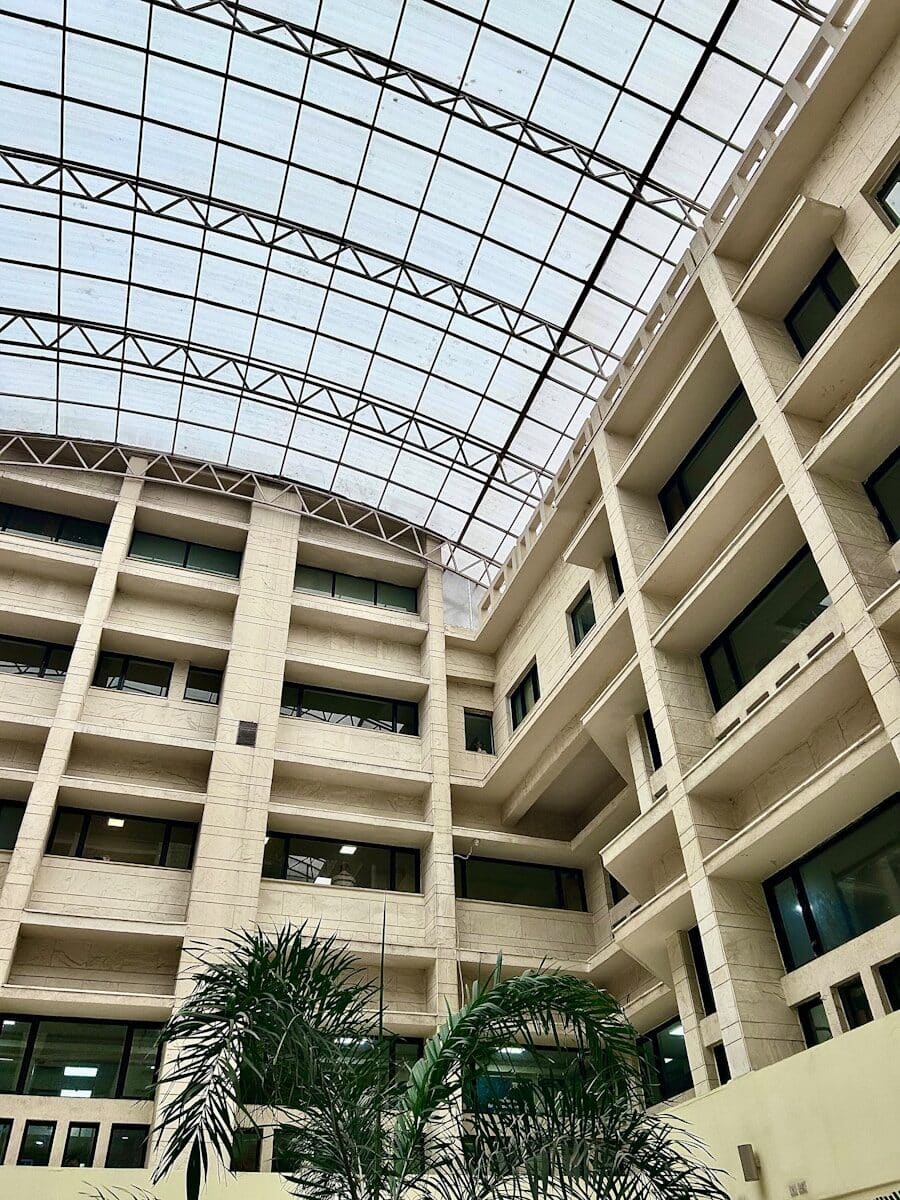
Photo by Isha Ralhan on Unsplash
Why Conservatory Construction Matters in Healthcare Settings
A well-planned conservatory can do much more than add beauty to a building. In hospital development, these spaces can support patient comfort, staff well-being, and visitor experience in ways that traditional enclosed rooms sometimes cannot.
A conservatory often uses a glass roof, expansive windows, and carefully designed walls and doors to bring in natural light throughout the year. In a healthcare setting, that light can help create a calmer atmosphere and soften the feel of more clinical parts of the property. It can also make a room feel more open, more welcoming, and more connected to the outdoors.
In some cases, the intended use may be restorative and quiet. In others, it may function more like a dining room, family lounge, gathering space, or multipurpose area. Whatever the purpose, the structure must be built for year-round performance, easy maintenance, durability, and strong energy efficiency.
Helpful Resources for Your Conservatory Project
Planning a conservatory involves careful research, from understanding local building rules to finding the right design inspiration. To help you understand the importance and how to navigate the process, we have gathered a list of essential, trustworthy tools and guides to support your project.
- Planning Portal: https://www.planningportal.co.uk – This official UK government resource helps you check if your conservatory requires planning permission and explains national building guidelines.
- Local Authority Building Control (LABC): https://www.labc.co.uk – LABC provides clear, easy-to-understand advice on building regulations and compliance standards for home extensions and conservatories
- Glass and Glazing Federation (GGF): https://www.ggf.org.uk – The GGF offers impartial consumer advice on choosing the right glass and glazing options for safety and durability.
- Energy Saving Trust: https://energysavingtrust.org.uk – Explore this site to learn how to maximize the thermal efficiency of your new space and lower your heating bills.
- FENSA: https://www.fensa.org.uk – Use this government-authorized scheme to understand energy performance certificates and find certified installation standards for windows and doors.
- Houzz: https://www.houzz.com – Browse thousands of architectural photos and design ideas to find the perfect layout and interior style for your new sunroom.
- Royal Institute of British Architects (RIBA): https://www.architecture.com – Access professional guides on hiring architects and read case studies to inspire the structural design of your conservatory.
Taking the time to explore these resources will ensure your new space is compliant, energy-efficient, and beautifully designed. Using these tools early in your planning phase helps prevent costly mistakes and sets your build up for success. in hospital development is never just about appearance. It is about functionality, comfort, compliance, and long-term value.
Conservatory Design Has to Match the Intended Use
One of the first things we tell owners is that conservatory design has to begin with purpose.
Before anyone chooses frames, glazing systems, rooflines, furniture layouts, or finish materials, the project team needs to define how the space will actually be used. Will it be a quiet indoor retreat for patients and families? A transitional area between buildings? A public-facing feature that enhances the facility’s style and identity? A wellness-oriented room filled with plants and soft seating? A place for staff breaks or family meetings?
The answers shape everything.
The intended use affects traffic flow, temperature control, lighting strategy, accessibility, structural demands, and maintenance planning. In hospital environments, it also affects infection control considerations, construction phasing, safety logistics, and how the new space connects to occupied areas.
That is why we believe in a practical, client-focused process. We work closely with owners, design professionals, and stakeholders to make sure the vision for the space aligns with day-to-day operations. A beautiful conservatory means very little if it does not function well for the people using it.
Conservatory Glazing and Performance Are Critical
In healthcare-related construction, conservatory glazing is one of the most important technical decisions in the whole project.
Glass is often the defining feature of a conservatory, but not all glazing performs the same way. Owners need to think beyond appearance and focus on insulation, solar heat gain, durability, and comfort during both hot summers and colder months. A space that looks stunning on paper can quickly become uncomfortable or expensive to operate if the glazing system is not properly engineered.
That is why we pay close attention to how the roof, walls, windows, and doors work together as a complete envelope. The right conservatory roof and glazing strategy can support energy efficiency, reduce unwanted heat buildup, and help the room remain usable year-round. This is especially important in commercial applications where reliability, occupant comfort, and lifecycle cost all matter.
Custom-engineered and custom-manufactured systems are often the right choice for these projects. Hospitals and healthcare campuses rarely have one-size-fits-all needs. Existing buildings, operational constraints, local codes, and architectural style all influence the final solution.
A healthcare owner may be drawn to the beauty of extensive glass, but our job is to help find the perfect balance between transparency, thermal performance, maintenance demands, and budget.
Conservatory Styles Should Fit the Property, Not Fight It
We often remind clients that a conservatory should feel like a natural extension of the property, not an afterthought.
There are many conservatory styles to choose from, and the right option depends on the architecture, branding, and goals of the facility. Some owners like the timeless character of victorian conservatories, with their nod to traditional architecture, elegant proportions, and classic detailing. Others may lean toward a cleaner, more modern look with streamlined framing and a simpler roof profile.
In some projects, an orangery or orangery design may make more sense than a full glass-dominant conservatory. Orangeries often use more solid construction elements like brick, masonry, or insulated perimeter walls while still bringing in significant light through lantern roofs or expansive glazing. That can create a warmer feel and stronger visual continuity with certain hospital or institutional buildings.
The point is not to chase trends. The point is to select a style that supports the facility’s identity, complements adjacent structures, and delivers the functionality owners need.
A thoughtfully designed conservatory should feel built for the building, not added onto it.
Design and Construction in Active Hospital Environments Require Precision
In our world, design and construction planning matter even more when the work happens in or around an occupied healthcare setting.
Hospitals do not stop operating because a project is underway. Patients, staff, and visitors still move through the property every day. Safety, access, noise control, infection prevention, and schedule coordination all become part of the construction strategy.
That is why conservatory construction in hospital development needs more than good design ideas. It needs a team with real expertise in phasing, communication, and execution.
At SCIC, we understand how to manage projects where minimal disruption is critical. We coordinate carefully with stakeholders, plan around operational realities, and focus on keeping the process clear and accountable from start to finish. For owners, that means fewer surprises and more confidence throughout the project.
This is especially important when a conservatory connects directly to an existing house-like care setting, senior health facility, rehabilitation wing, or hospital common area. Every detail, from installation sequencing to site logistics, has to support life safety and ongoing operations.
What Owners Should Know About Conservatory Cost
One of the most common questions we hear is about conservatory cost.
The honest answer is that cost depends on a wide range of factors. Size, shape, complexity, structural integration, glazing performance, custom fabrication, site conditions, mechanical needs, and finish level all influence the budget. A simple structure is very different from a highly customized, fully integrated conservatory built for a healthcare campus with strict operational and compliance requirements.
Owners also need to think beyond first cost alone.
A lower upfront number may look attractive, but it can lead to higher long-term expenses if the materials, insulation, or design approach do not support durability and efficiency. High quality materials, strong detailing, and proper coordination often protect the investment over time. When we help clients evaluate cost, we encourage them to look at long-term performance, maintenance, occupant comfort, and lifecycle value, not just the installation number.
That is especially true in hospitals, where every project has to work hard for the organization. A conservatory should not just create beauty. It should improve usability, reinforce the facility’s vision, and stand up to daily life.

Photo by Mark Potterton on Unsplash
What It Really Takes to Build Your Own Conservatory in a Healthcare Setting
For owners exploring whether they can add their own conservatory to a hospital campus or healthcare-adjacent facility, the key is preparation.
Success starts with asking the right questions early:
- What is the primary function of the space?
- How will it connect to the existing structure?
- What kind of roof and glazing system makes sense for the climate and building type?
- How will the space perform during colder months and warmer seasons?
- What are the compliance, accessibility, and operational requirements?
- What materials will best support durability, beauty, and maintenance?
- How will the project impact active occupants during construction?
The answers shape the entire project.
A conservatory is not just a room made of glass. It is a structure that needs to be carefully built, insulated, integrated, and finished to support real-world use. When owners take a thoughtful approach from the start, they are far more likely to end up with a space that truly adds value.
The Best Conservatories Balance Beauty and Functionality
The most successful conservatories do not lean too far in one direction.
If a project focuses only on style, it may fall short on comfort and performance. If it focuses only on utility, it may miss the emotional and visual impact that makes the space special in the first place.
We believe the best outcome comes from balance.
That means combining innovation with practicality. It means choosing materials that perform well without sacrificing warmth or visual appeal. It means designing for nature, light, and comfort while keeping construction realities, schedule demands, and budget in clear view. And it means working with a team that understands both the technical side of the project and the human side of the environment it serves.
In healthcare, that balance matters even more. Every room, every structure, and every transition space should support the people who use it.
Why Experience Matters in Specialized Commercial Applications
Conservatories may be associated with residential settings, greenhouses, or historic estates, but they also have real potential in commercial applications. In hospitals and healthcare-adjacent projects, they require a higher level of planning and execution than many people realize.
That is where the right construction partner matters.
At South Coast Improvement Company, we bring a single-source mindset to complex projects. We help clients think through scope, coordination, sequencing, and long-term performance. Our team understands that in sensitive environments, construction is not just about getting a project built. It is about protecting operations, solving problems early, and delivering quality with accountability.
For owners and facility leaders, that can mean a smoother process, stronger results, and greater peace of mind.
Final Thoughts on Conservatory Construction in Hospital Development
Conservatory construction can add real value to hospital development when it is approached with purpose and expertise. These spaces can bring in natural light, strengthen the connection to the outdoors, improve the overall ambiance, and create a welcoming environment for patients, families, and staff.
But success takes more than a good concept.
It takes careful conservatory design, well-planned conservatory glazing, smart material selection, a realistic understanding of conservatory cost, and a team that can manage complex design and construction work in active healthcare settings. It takes attention to functionality, energy efficiency, schedule, and long-term performance. Most of all, it takes a partner who knows how to turn vision into a space that works.
That is the role we strive to play for every client we serve.
If you are considering a conservatory, orangery, or another specialty addition as part of a healthcare or commercial project, we are here to help you think it through from day one.

